
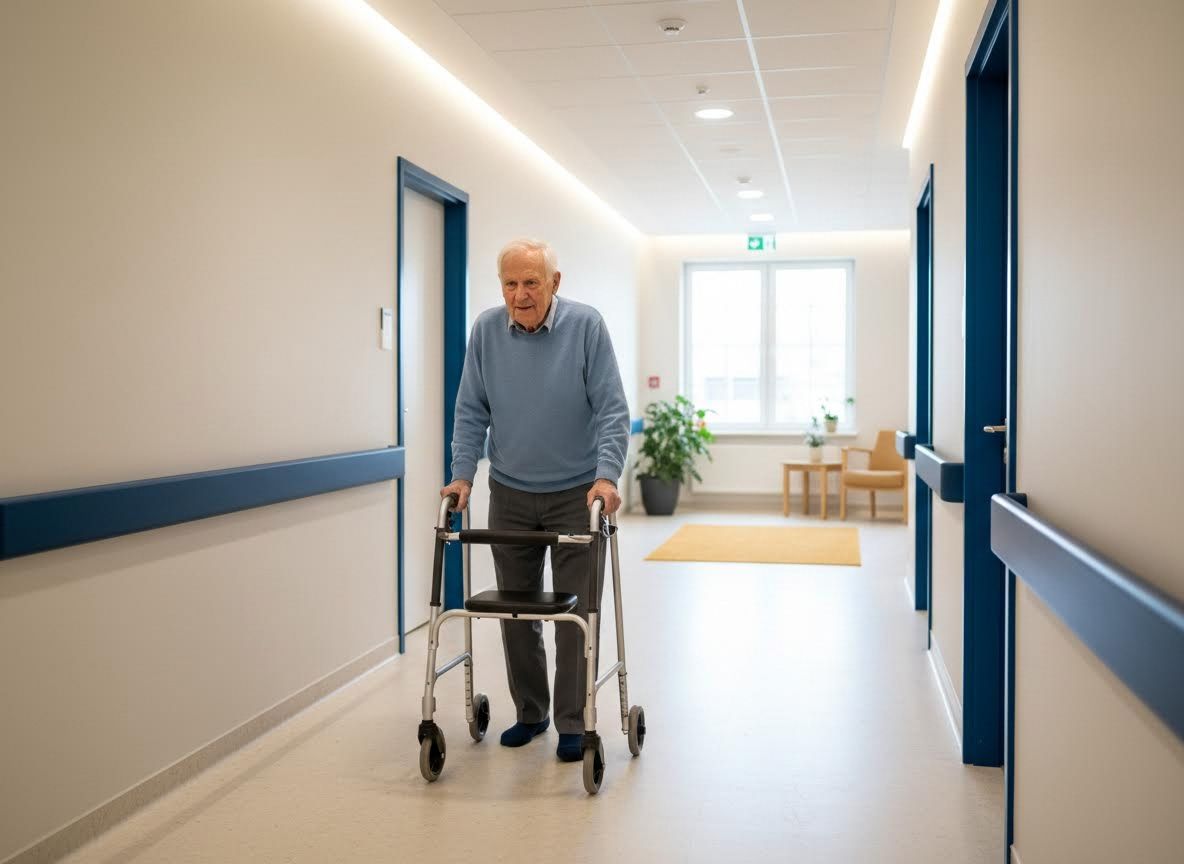
Living with Alzheimer's or dementia presents a unique set of challenges, not just for the individual but also for their devoted family caregivers. Among these challenges, the risk of falls stands out as a significant concern, often leading to serious injuries and a decline in overall well-being. At Circle of Life Alzheimer's Homes, we understand the profound impact that environmental design can have on safety and comfort, which is why we champion solutions like clever lighting and strategic color contrast as powerful tools to prevent falls and enhance daily living.
Understanding Fall Risks in Dementia
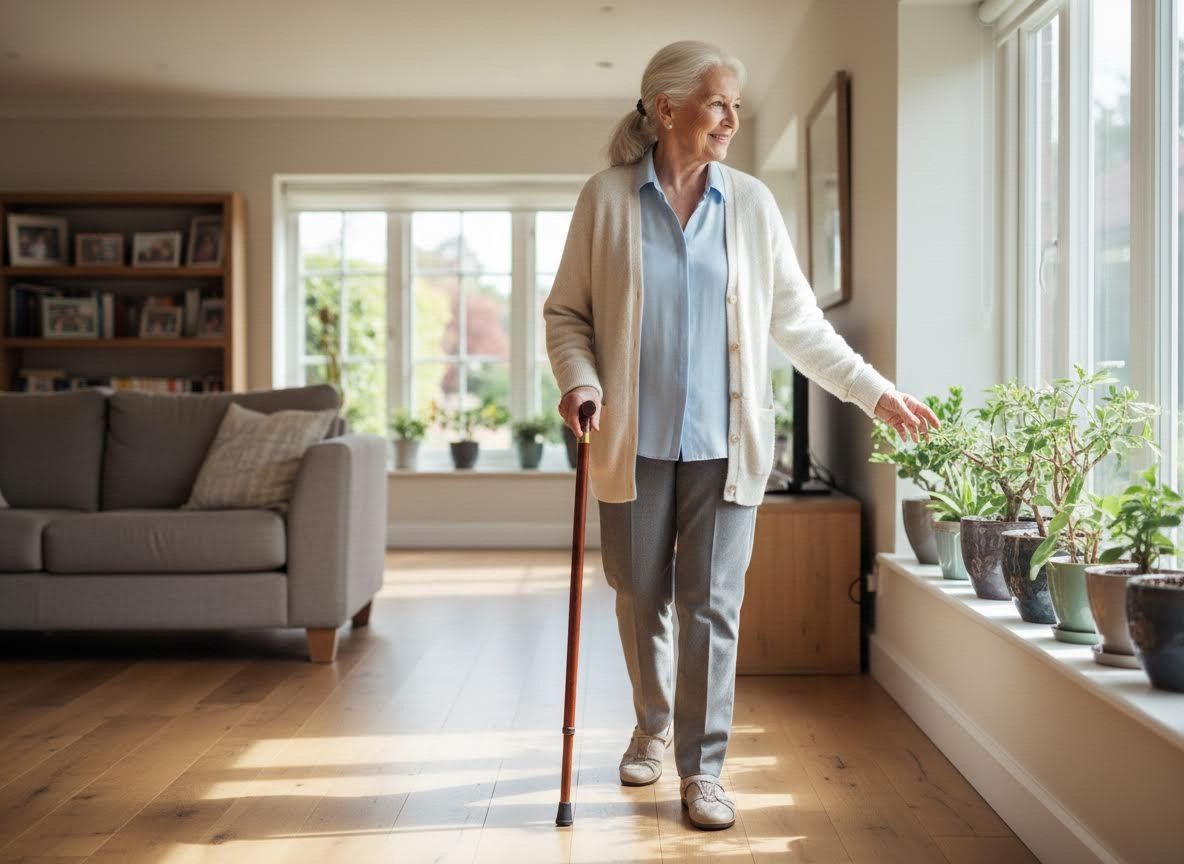
Individuals living with dementia often experience changes in their perception, judgment, and spatial awareness, making them more susceptible to falls. Cognitive decline can impair their ability to accurately interpret their surroundings, leading to missteps, disorientation, and an increased risk of accidents. Depth perception may be altered, making it difficult to distinguish between surfaces or identify obstacles. Furthermore, many medications can affect balance and coordination, adding another layer of complexity to fall prevention. Recognizing these underlying factors is the first step in creating an environment that actively reduces these risks.
Illuminating Safety: The Role of Strategic Lighting
Thoughtful lighting design is paramount in creating a safe and navigable space for someone with dementia. Dimly lit areas or harsh glares can confuse and disorient, exacerbating visual processing difficulties. Instead, aim for consistent, even illumination throughout the home. Natural light is ideal, so keep windows unobstructed. For artificial lighting, consider brighter, full-spectrum bulbs that mimic natural daylight, especially in common areas. Task lighting is crucial for specific activities like reading or eating, ensuring there are no dark corners or sudden changes in light intensity that could lead to misjudgment. Minimizing shadows and reflections can also greatly improve clarity and reduce confusion about floor levels or objects.
Visual Cues: Harnessing Color Contrast for Navigation
Color contrast might seem like a simple design element, but its impact on individuals with dementia is profound. As cognitive abilities change, the capacity to distinguish between subtly different shades diminishes. High contrast helps define boundaries, identify objects, and clarify pathways. For example, a stark contrast between walls and doorways can make it easier to locate exits and entrances. Using contrasting colors for handrails against a wall, or for toilet seats against the bathroom fixtures, helps make these essential features more visible and accessible. Even a distinct color for dinner plates against a tablecloth can aid in mealtime independence. This thoughtful use of color transforms a potentially confusing environment into one that offers clear visual cues, fostering independence and reducing fall risks.
Practical Steps for a Safer Home Environment
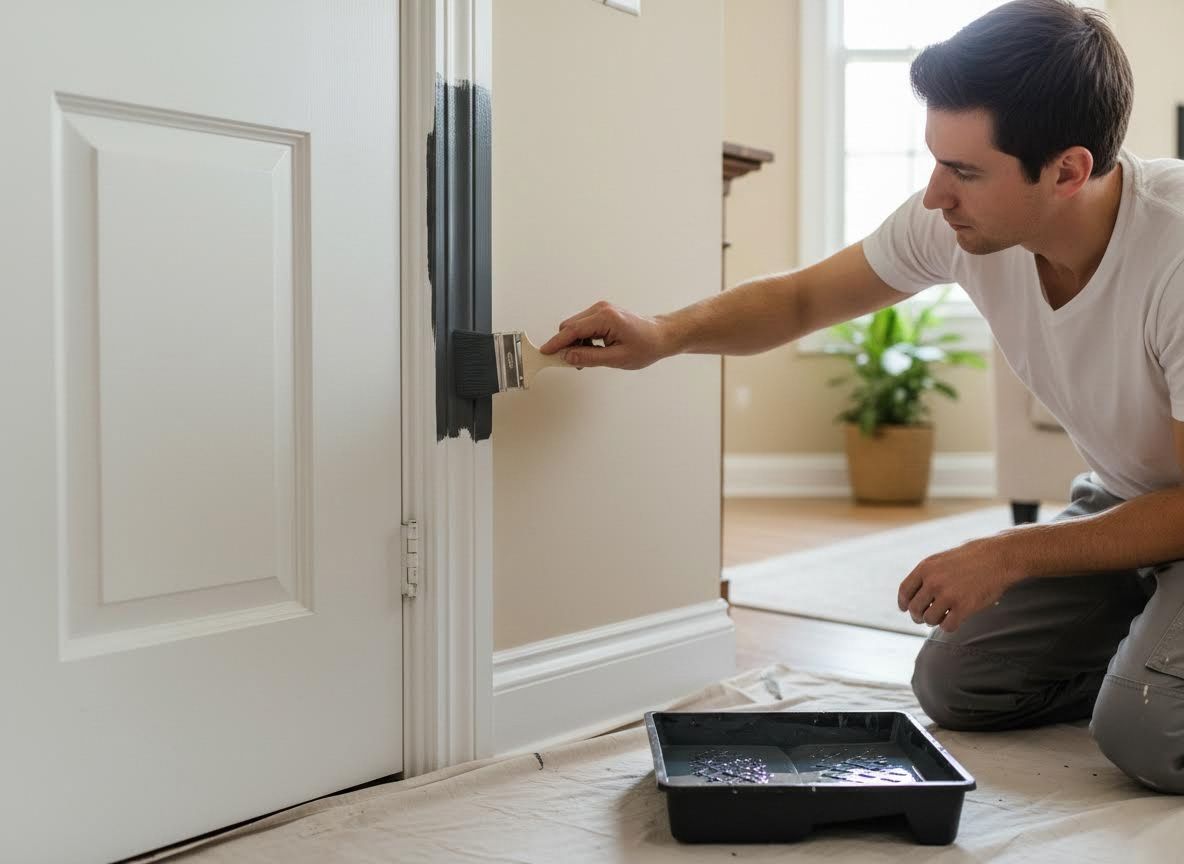
Implementing these design principles doesn't require a complete renovation; even small changes can make a big difference. Begin by evaluating each room for areas with poor lighting or insufficient contrast. Consider adding brighter light fixtures, ensuring all light switches are easily accessible, and using nightlights in hallways and bathrooms. For color contrast, think about placing a contrasting rug at the foot of the bed (if tripping hazards are managed), painting doorframes a different color than the walls, or even using brightly colored tape to outline steps or thresholds. The goal is to create an environment where the visual information is clear and unambiguous, empowering your loved one to move more confidently and safely within their own home.
At Caring Causes, we are dedicated to empowering family caregivers with the tools and resources necessary for providing personalized, compassionate care. If you're seeking guidance on designing a safe and engaging space, explore our valuable resources today. Let us help you create a nurturing environment where your loved one can thrive!