

Navigating the complexities of Alzheimer’s disease requires not only deep compassion but also a robust support system, particularly when it comes to hands-on care. A critical, yet often overlooked, factor influencing the quality of care is the caregiver-to-resident ratio within a specialized memory care setting. At Circle of Life Alzheimer's Homes, we understand that this ratio isn't just a number; it fundamentally shapes the daily experiences, well-being, and dignity of individuals living with Alzheimer's and other forms of dementia.
Cultivating Personalized Connection and Comfort
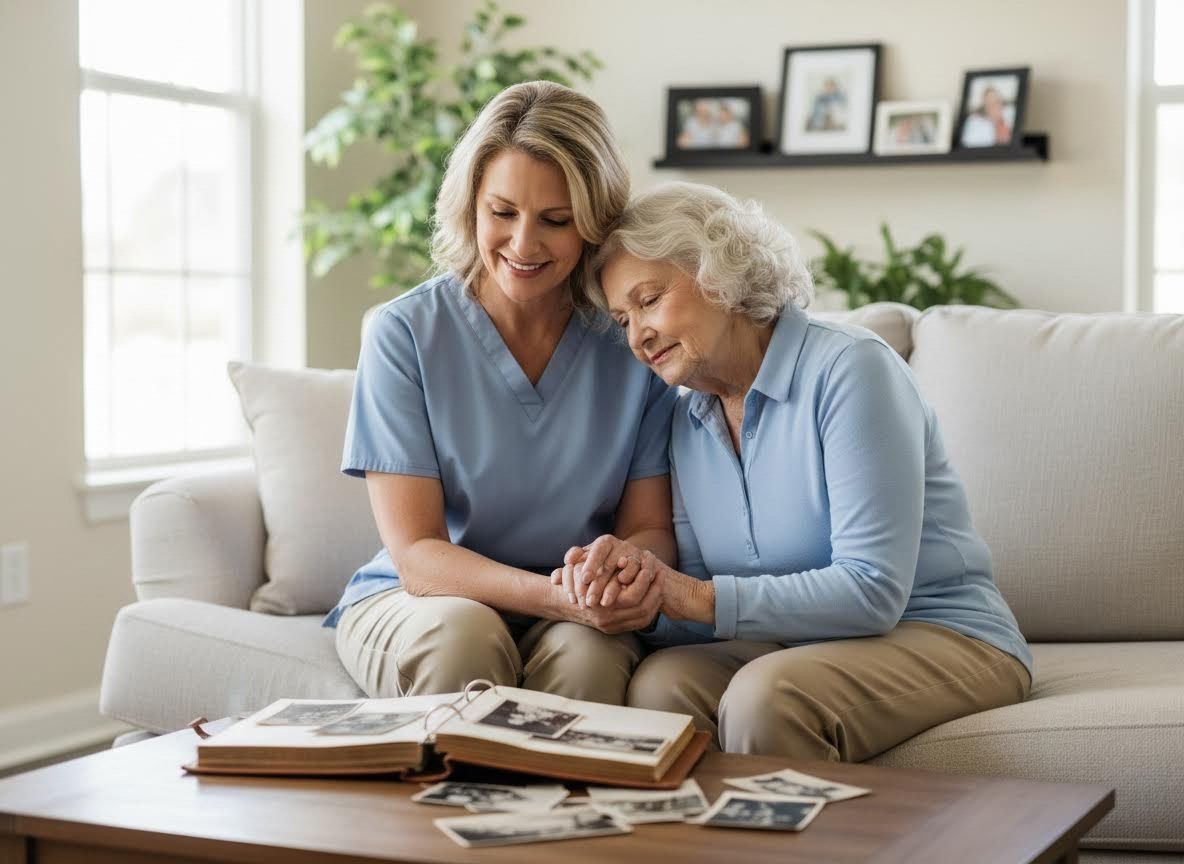
A low caregiver-to-resident ratio directly translates into more individualized attention for each person. Instead of caregivers needing to rush through tasks, they have the invaluable time to engage deeply, understand specific needs, and respond with patience and empathy. This allows for truly personalized care that goes beyond basic needs, fostering moments of comfort and connection crucial for those navigating memory loss. It enables caregivers to build trusting relationships, recognizing individual preferences, past routines, and communication styles, which are vital for reducing anxiety and enhancing a sense of familiarity and security.
Mitigating Stress and Enhancing Caregiver Well-being
Caregiving is inherently demanding, both physically and emotionally. When staff are spread thin across too many residents, the risk of burnout significantly increases. A lower ratio alleviates this immense pressure, ensuring that caregivers can perform their duties with greater presence, less stress, and more patience. This not only protects the well-being of the care team but also directly benefits the residents. A calm, supported caregiver is better equipped to provide high-quality, compassionate care, engage in meaningful interactions, and respond to challenging behaviors with understanding rather than frustration, ultimately creating a more positive and stable environment for everyone.
Proactive Responses and Enhanced Safety
More caregivers on staff means quicker, more attentive responses to residents' needs as they arise. This is especially vital in Alzheimer's care, where situations can change rapidly, from a sudden need for assistance with mobility to moments of confusion or agitation. A well-staffed environment allows for proactive monitoring, reducing the risk of falls, wandering, or other safety concerns. It also provides opportunities for consistent engagement in stimulating activities, personalized therapies, and social interactions, which are critical for maintaining cognitive function and overall quality of life, rather than simply reacting to immediate crises.

Discovering the Principles of Dignified Care
The importance of a low caregiver-to-resident ratio cannot be overstated; it fundamentally transforms Alzheimer’s care into a dignified, person-centered experience. This key element ensures that individuals with memory loss receive the comfort, connection, and personalized attention they truly deserve. By grasping these vital principles, families can make informed decisions when seeking the best care environment for their loved ones. To understand the standards that define exceptional Alzheimer's care and how individualized attention enhances the quality of life for residents, we invite you to delve into the guiding principles that underpin Circle of Life Alzheimer's Homes. Take that crucial step towards ensuring your loved one receives the care they deserve!