

Sundowning syndrome, characterized by increased confusion, anxiety, agitation, and disorientation that begins or worsens as daylight fades, presents a significant challenge for individuals living with dementia and their families. Navigating these difficult periods requires not only understanding but also a profoundly supportive and stable environment. At Circle of Life Alzheimer's Homes, we recognize that a cozy, residential setting, combined with thoughtful strategies, can make a meaningful difference in managing these complex symptoms, fostering peace and dignity for those in our care.

Understanding Sundowning's Unique Challenges
Sundowning, or "late-day confusion," isn't just about the time of day; it's often a manifestation of the brain's changing ability to process information, regulate emotions, and manage circadian rhythms due to dementia. For family caregivers, witnessing a loved one's distress during these episodes can be heartbreaking and exhausting. A familiar, predictable, and low-stress residential environment becomes paramount. Unlike institutional settings, a cozy home-like atmosphere can reduce sensory overload and provide a sense of security, which is often lost during sundowning episodes. This foundational comfort helps in creating a less anxious space where coping mechanisms can be more effective.
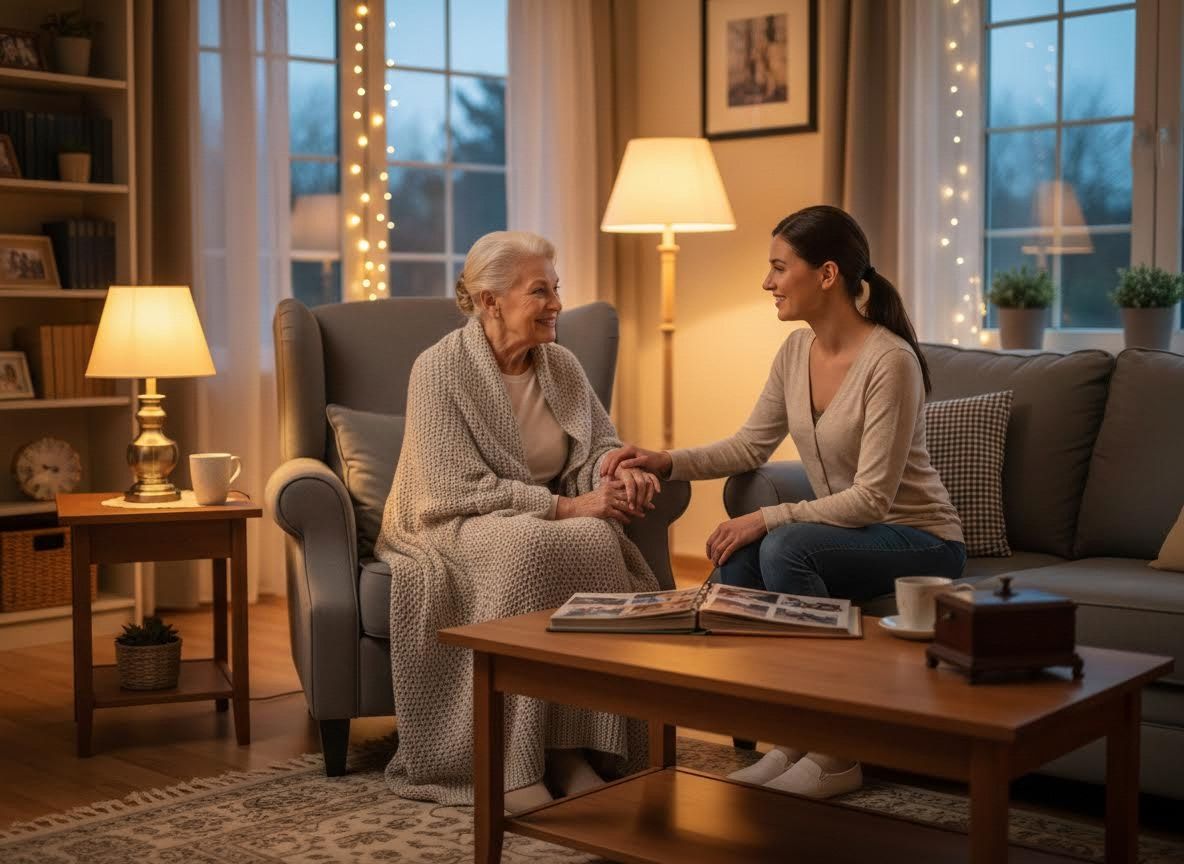
Crafting a Calming and Predictable Environment
Managing sundowning effectively begins with proactively shaping the immediate surroundings. Strategic environmental adjustments can significantly reduce triggers and promote calm. This includes ensuring consistent daily routines for meals, activities, and bedtime, which helps anchor individuals as the day progresses. Optimizing lighting by increasing brightness in the late afternoon and gradually dimming it in the evening can help reset internal clocks. Minimizing noise and clutter, and creating designated "comfort zones" with familiar objects or soothing music, contribute to a sense of predictability and security. These person-centered considerations transform a potentially disorienting time into one of quiet comfort and connection.
Person-Centered Care and Family Empowerment
Effective sundowning management is deeply rooted in person-centered care, meaning strategies are tailored to the individual's unique needs, preferences, and triggers. Trained caregivers play a vital role in observing patterns, documenting behaviors, and implementing personalized interventions. This might involve engaging in calming activities before dusk, such as gentle walks, quiet reading, or listening to music, to ease the transition. Recognizing the immense strain this places on family caregivers, comprehensive support and education are equally crucial. Providing families with practical tools and knowledge to understand and respond compassionately to sundowning, while also accessing resources for their own well-being, ensures a holistic approach to care.
At Circle of Life Alzheimer's Homes, we understand the unique challenges that sundowning presents for both individuals with dementia and their families. Our dedicated team is committed to creating a nurturing, comfortable environment that alleviates anxiety and fosters dignity during these difficult times. Together, we can help create a peaceful and supportive environment for your loved one, ensuring they feel safe and understood. Take the first step towards enhanced care and comfort today!