
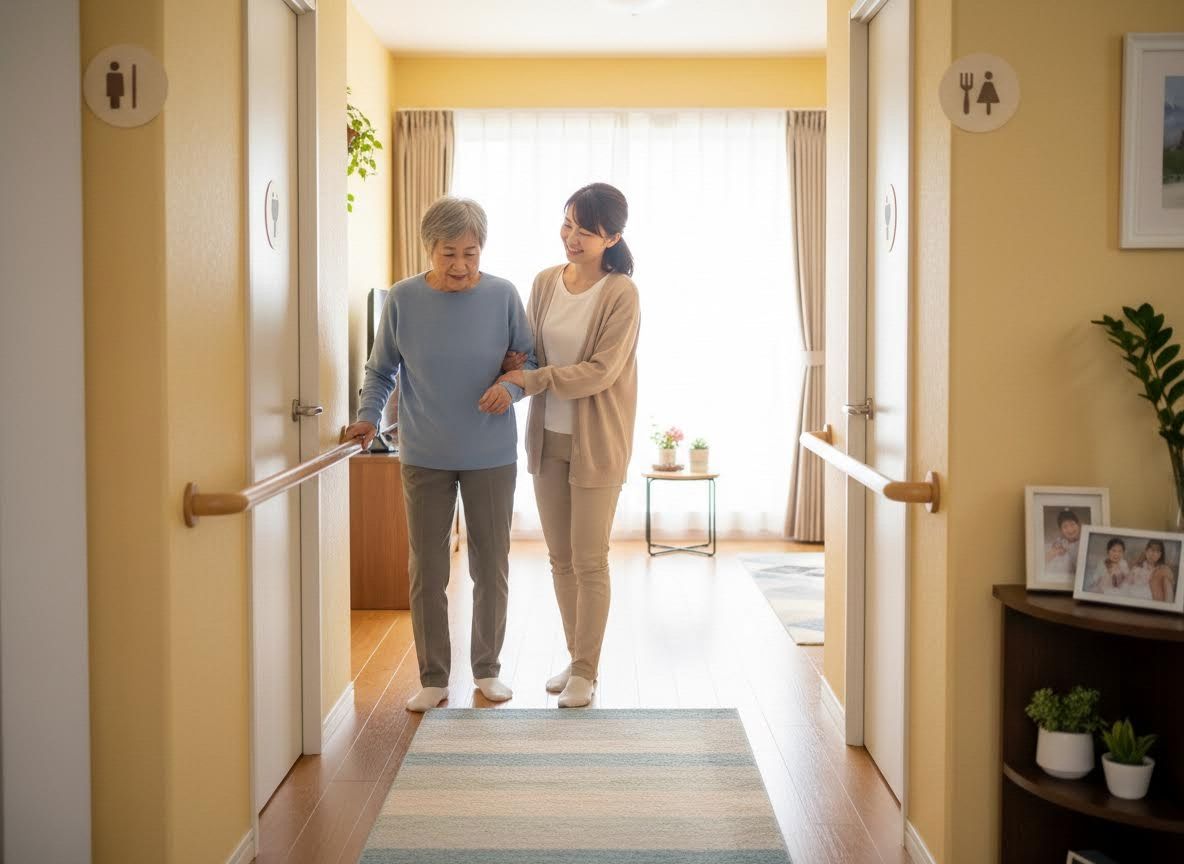
Navigating the challenges of Alzheimer's or other dementias requires a compassionate and informed approach, especially when considering the home environment. For many families, the familiar comfort of a loved one’s home can inadvertently become a source of confusion or risk as cognitive abilities shift. At Circle of Life Alzheimer's Homes, we understand that a thoughtfully adapted living space plays a crucial role in enhancing safety, reducing anxiety, and supporting the well-being of individuals with cognitive decline.
Understanding the Environmental Impact on Cognition
For someone living with dementia, a home layout that once felt familiar can become disorienting. Cluttered spaces, poor lighting, or confusing pathways can lead to increased agitation, falls, and a loss of independence. What might seem like minor inconveniences to others can become significant obstacles, impacting daily routines and overall quality of life. Our aim is to help caregivers recognize these potential hazards and understand how the physical environment directly influences cognitive function and emotional stability. By identifying these issues, we can transform environments into spaces that nurture and protect.
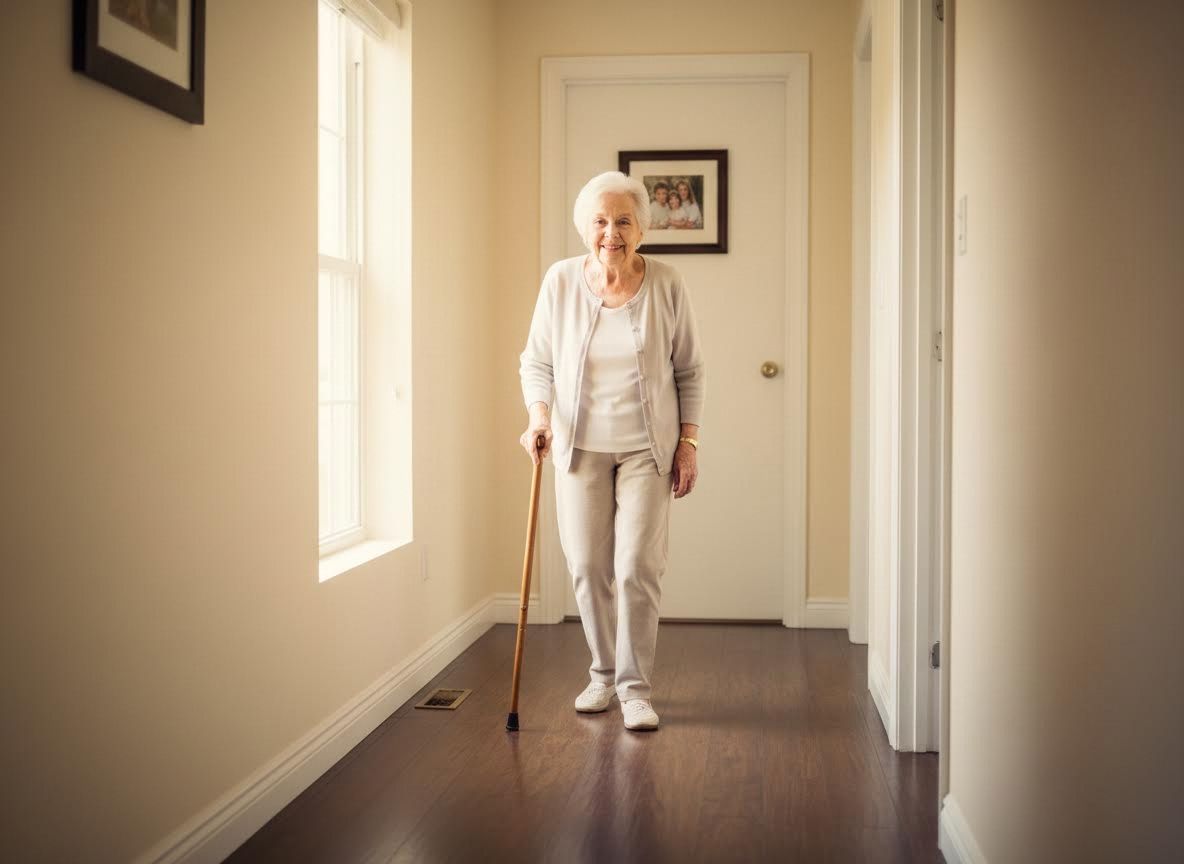
Creating Safe and Navigable Pathways
One of the primary goals in adapting a home is to establish clear, safe, and easily navigable pathways. This involves minimizing clutter, ensuring adequate lighting throughout the home, and removing tripping hazards such as loose rugs or electrical cords. Consider contrasting colors for walls and floors to help with depth perception, and use clear signage or familiar photos on doors to help identify rooms. These modifications not only prevent accidents but also reduce feelings of confusion and frustration, allowing individuals to move more freely and independently within their own homes.
Enhancing Comfort and Reducing Sensory Overload
The home environment can also contribute to sensory overload or discomfort, which can exacerbate symptoms of dementia. Loud noises, bright glares, or an overwhelming array of decorations can be distressing. Creating a calm and soothing atmosphere involves thoughtful choices in decor, lighting, and sound management. Simple changes, such as using soft, indirect lighting, incorporating familiar and comforting objects, and ensuring comfortable temperatures, can make a significant difference. A peaceful environment supports cognitive function by reducing agitation and promoting relaxation, fostering a sense of security and belonging.
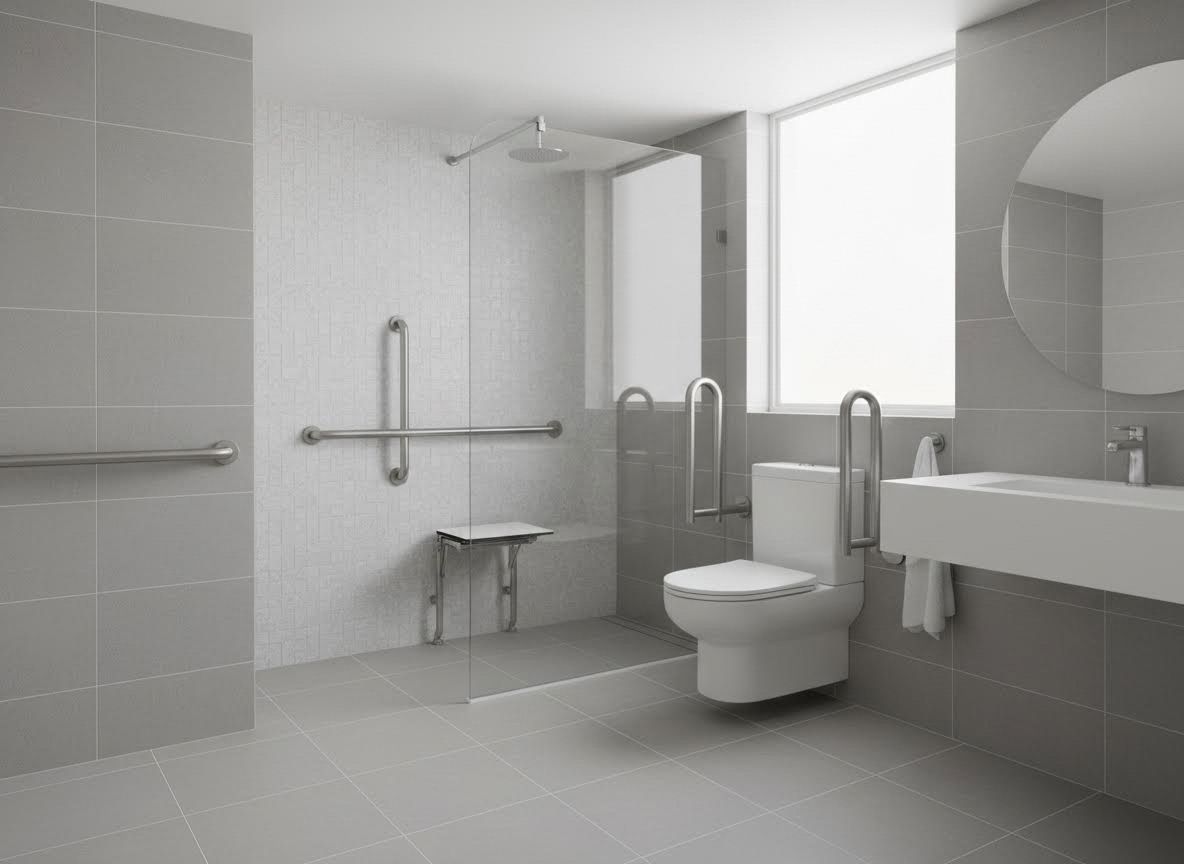
Supporting Independence and Dignity Through Design
Ultimately, adapting a home layout for individuals with cognitive decline is about preserving their independence and dignity. Thoughtful modifications allow them to participate in daily activities more easily, reinforcing their sense of self-worth and capabilities. This could involve installing grab bars in bathrooms, using adaptive utensils in the kitchen, or creating a dedicated, easily accessible space for favorite hobbies. When the environment is tailored to their needs, individuals can maintain a greater level of autonomy, and caregivers can provide support with less strain and more connection.
At Circle of Life Alzheimer's Homes, we are dedicated to empowering families with the tools and knowledge needed to create a safe and nurturing environment for their loved ones with cognitive decline. Understanding how to adapt a home can be transformative, enhancing both safety and quality of life. Together, we can cultivate a home that promotes independence, comfort, and dignity for your loved one. Contact us today or visit our website to learn more!