
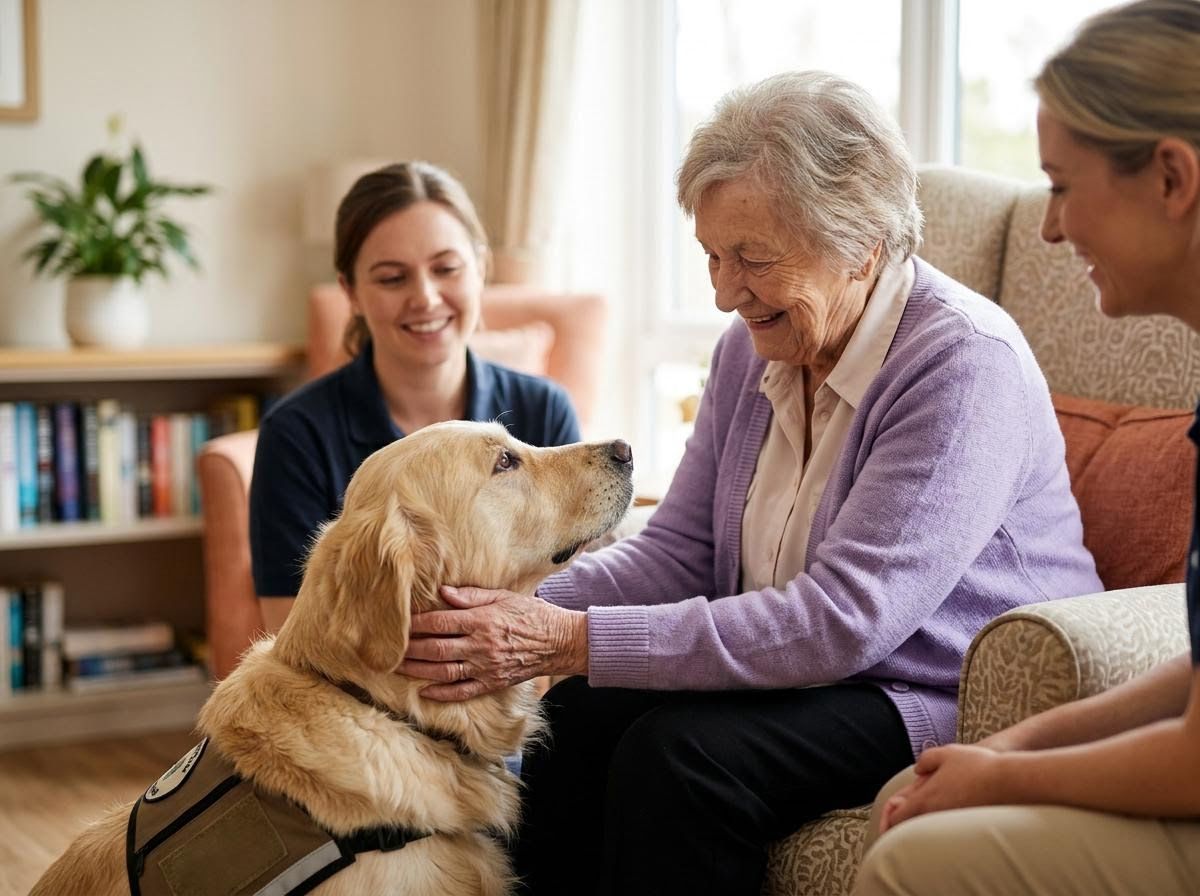
Navigating the complexities of Alzheimer's and dementia care demands a deeply compassionate and understanding approach. At Circle of Life Alzheimer's Homes, we recognize the profound impact these conditions have on individuals and their families, and we continuously seek innovative ways to enhance quality of life. Among the many person-centered approaches gaining recognition, pet therapy stands out as a gentle yet powerful tool. This unique interaction offers comfort and connection, tapping into emotional reserves that can sometimes be challenging to reach.
Enhancing Emotional Well-being and Connection
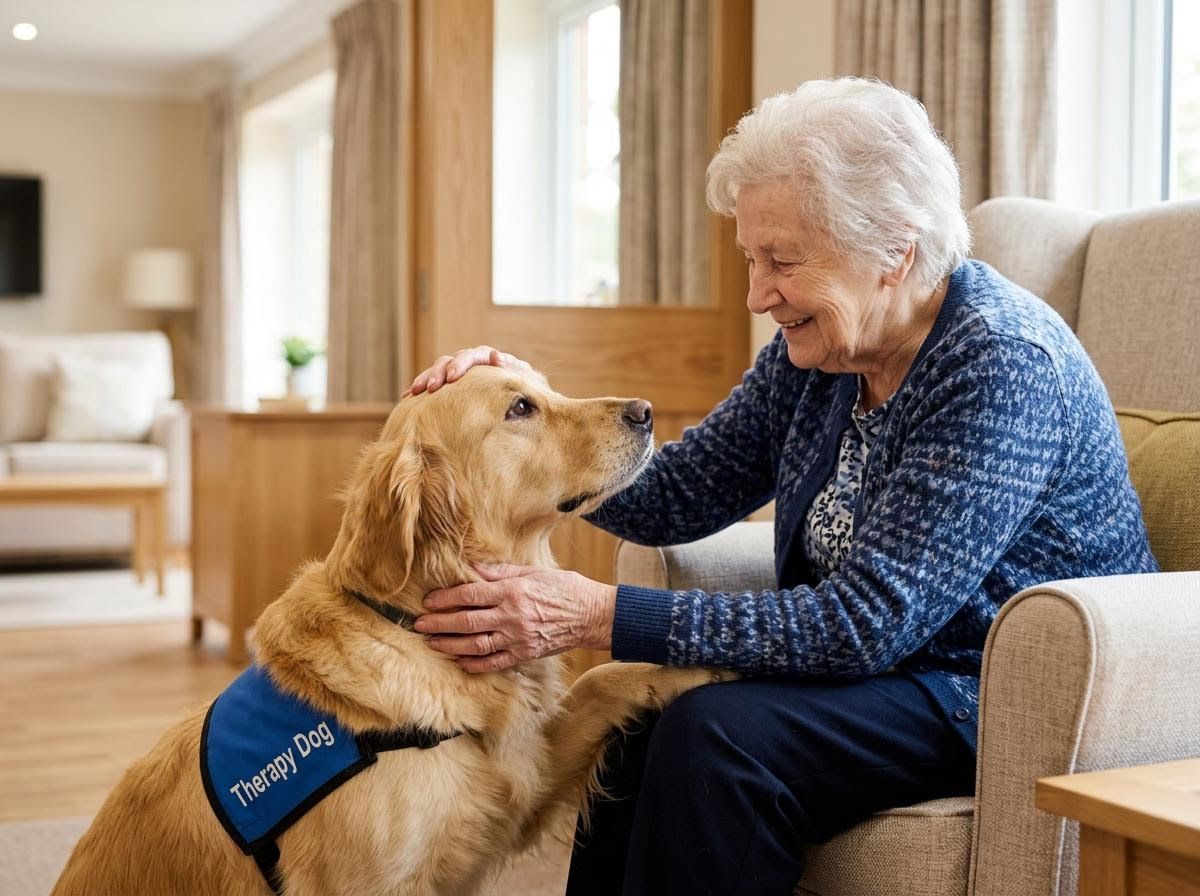
One of the most profound benefits of pet therapy for individuals living with dementia is its ability to foster emotional well-being. The unconditional love and non-judgmental presence of an animal can significantly reduce feelings of anxiety, loneliness, and depression, which are often experienced by those with cognitive decline. Interacting with a gentle dog or a purring cat can provide a sense of calm, security, and companionship. This simple, tactile connection can evoke feelings of joy and bring moments of peace, creating a soothing environment for residents and offering a sense of comfort for their loved ones observing these interactions.
Stimulating Cognitive Function and Communication
Pet therapy can also serve as a wonderful catalyst for cognitive stimulation and communication. The presence of an animal can spark memories, even if fleeting, encouraging individuals to recount past experiences with pets or engage in conversations about the animal in front of them. This can stimulate verbal and non-verbal communication, as residents may talk to or reach out to the animal. The interaction requires focus and attention, offering a gentle form of mental exercise. Brushing a pet, watching its movements, or even calling its name can activate different parts of the brain, encouraging engagement and providing a tangible point of interaction.
Promoting Physical Activity and Daily Engagement
Beyond emotional and cognitive benefits, pet therapy can subtly encourage light physical activity and a sense of purpose. For some, the simple act of petting an animal can provide comforting sensory input and gentle hand movements. If appropriate and safe, short, supervised walks with a therapy dog can offer a low-impact form of exercise and fresh air. These interactions introduce a positive, engaging element into the daily routine, helping to reduce agitation and restlessness. The responsibility, however small, of interacting with an animal can instill a sense of contribution and belonging, reinforcing dignity and individual value.
The journey through Alzheimer's and dementia requires understanding, patience, and a commitment to person-centered care that addresses not just physical needs but also emotional and social well-being. Pet therapy is a testament to the power of holistic approaches, offering a unique blend of comfort, engagement, and joy for individuals and their families. At Circle of Life Alzheimer's Homes, we believe in supporting caregivers by exploring every avenue to enhance the lives of those we serve. To delve deeper into comprehensive care strategies and find valuable resources for your caregiving journey, we invite you to explore our foundation's offerings.